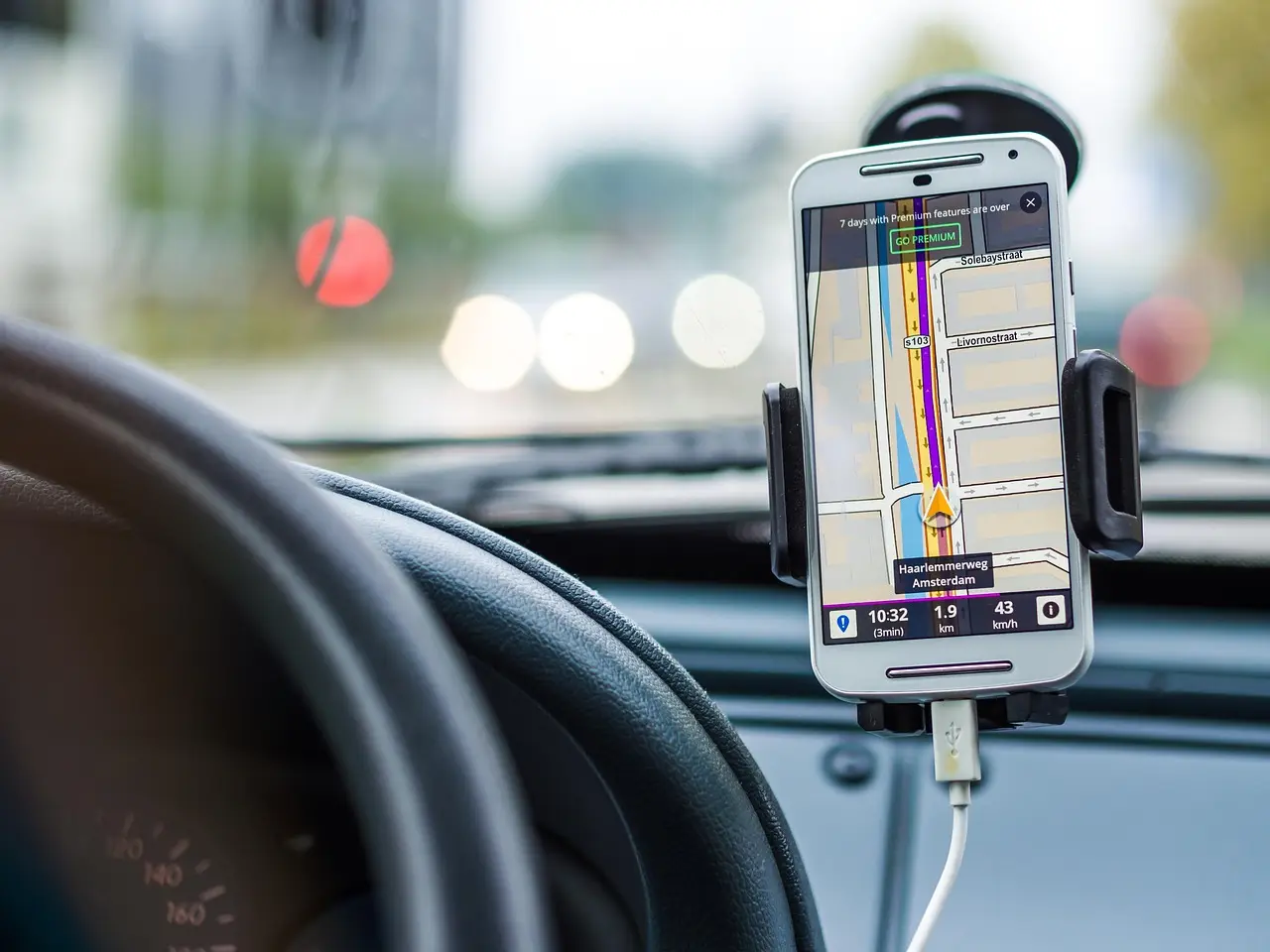
Compare physical SIM and eSIM for travel: installation steps, Dual SIM benefits, keeping your home number, local numbers, and when each option works best. Get the facts to choose the right connectivity for your trip.
Updated 2026-09-17
A physical SIM is a tiny removable card that slots into your phone’s tray. An eSIM is a digital profile that lives inside the device’s modem and can be downloaded over the air. For many travelers the eSIM feels smoother because you can set it up before you leave home, keep your primary SIM for calls or texts, and avoid hunting for a kiosk after a long flight. A physical SIM still makes sense on older phones that lack eSIM support, or when you want a local number you can hand to a taxi driver or a hotel receptionist.
| Topic | Physical SIM | eSIM |
|---|---|---|
| Install | Insert card | Scan QR or download from carrier |
| Timing | Often after landing | Before or after landing |
| Keep home number | Requires Dual SIM tray or dual‑SIM device | Works naturally with Dual SIM (SIM + eSIM) |
| Loss / theft | Card can be removed | Profile stays on device; protect with passcode |
| Non‑compatible phones | Works if unlocked | Not available |
Background: What is an eSIM?
Landing in a new city often means juggling luggage, transit maps and a tired mind. If your data plan is already active you can pull up a train schedule, call a ride‑share or check your accommodation address without stopping at a vendor booth. Many travelers report saving 15‑30 minutes on arrival day simply by having connectivity from the moment the plane doors open.
Modern smartphones let you keep a physical nano‑SIM for your home number while the eSIM handles data. This setup lets you receive two‑factor authentication codes from your bank or work email without swapping cards. It also means you can keep your home voicemail active, which is useful if friends or family need to reach you while you’re abroad.
Roaming charges can accumulate quickly, especially if you stream maps or video. An eSIM plan bought in advance gives you a fixed amount of data for a set price, so you know exactly what you’ll pay. If you run low you can top‑up from the PingRoam dashboard without hunting for a local store.
Some budget phones released a few years ago do not support eSIM at all. If you travel with one of those models, a physical SIM is the only way to get local data. In certain countries, local carriers still promote prepaid voice bundles that include a set number of minutes for domestic calls—these are often sold as a physical SIM and can be cheaper than adding a voice add‑on to an eSIM plan.
Even if you primarily use an eSIM, many travelers keep a spare physical SIM from their home carrier in a small envelope. If the eSIM profile fails to activate (rare, but possible after a software update), you can slip the home SIM back in and regain connectivity while you troubleshoot.
Keep your home physical SIM (or home eSIM) for identity and SMS. Add a PingRoam travel eSIM for data. Purchase on the web, install with a QR code, and manage from the dashboard — the mobile app is a companion, not a sales channel.
Fewer disposable cards is a nice side effect, but the real win is time saved — no tray tool needed in the arrivals hall when you just need maps to the train. You also avoid the small risk of losing a tiny piece of plastic that can slip out of a pocket or get stuck in a SIM‑ejector tool. Because the eSIM profile is tied to the device’s secure element, it survives a factory reset only if you choose to keep it; otherwise it disappears with the data, which some privacy‑conscious travelers find reassuring.
If you share a phone with a partner or family member, you can each have your own eSIM profile on the same device (provided the phone supports multiple profiles). This lets everyone keep their own data plan while still sharing the same handset for photos or navigation.
Many carriers allow SIM‑to‑eSIM conversion. Verify that your phone supports the number of profiles you need before you travel. Some newer models let you store five or more eSIM profiles, which means you could keep a home eSIM, a travel eSIM, and even a second travel eSIM for a multi‑country trip without swapping anything.
Speed depends on the partner network and the plan, not on whether the profile is plastic or digital. PingRoam partners with local operators in each destination, so the eSIM taps into the same 4G/5G towers that a physical SIM would use. If you notice a difference, it is usually due to network congestion rather than the SIM type.
Contact your providers to suspend the lines. Do not leave an eSIM QR code unlocked on a shared screen. Because the eSIM profile is stored on the device, a lost phone means the profile is no longer accessible once the device is powered off or wiped. Most carriers can re‑issue a QR code for the same plan after you verify your identity.
Cellular‑only tablets may be eSIM‑only. Check the model’s specifications before buying a plan. Some tablets lack a physical SIM tray altogether, making an eSIM the only way to get mobile data. If you plan to use a tablet for navigation or itinerary checks, confirm that it supports eSIM activation and that your chosen plan includes data for tablets.
Stay connected: choose a PingRoam eSIM for your trip to Japan, the USA, Europe, the UK or Germany and follow our install guide.
Worth booking: skip‑the‑line entry to the Eiffel Tower in Paris, Colosseum tours in Rome, Sagrada Família tickets in Barcelona, and the British Museum in London.
tickets/paris tickets/rome tickets/barcelona tickets/london
